Human Skills
Human Skills:
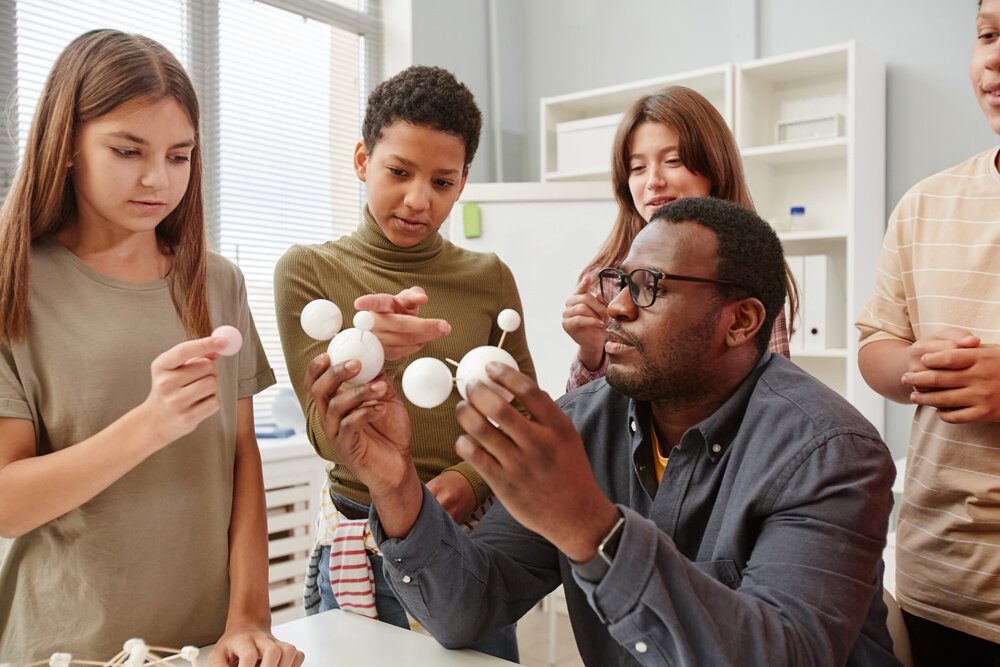
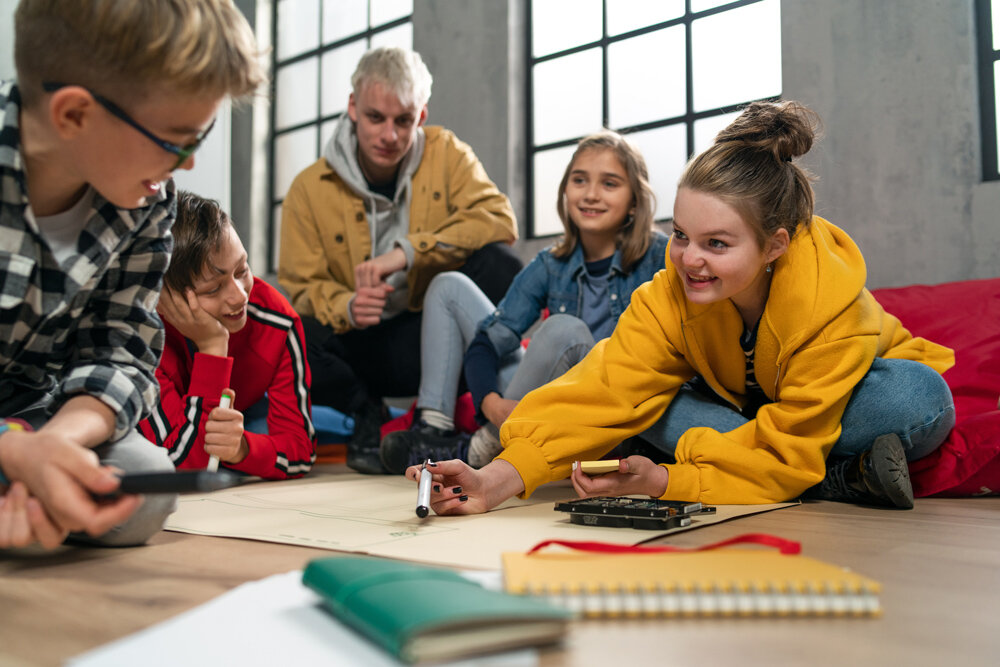
The potential for increasing engagement with AI to limit cognitive challenge and reduce human interaction makes it critical that schools emphasize the development of uniquely human skills. These qualities, including curiosity, engagement, motivation, ethical reasoning and the capacity for constructive disagreement are developed much more through students’ relationships with their peers, teachers and mentors than through interactions with AI.
L.P.
8th grade, Denver, CO (14)
“There should be a class that just tells you social stuff, like how to understand how other people feel just by looking at their actions and words. Also how to interact with other people, and not just not actually knowing how to interact - how to say stuff and not just get nervous when you're doing something.”

Chong-Hao Fu
CEO, Learning Educators
“We need to ensure that kids get access to rich learning experiences that promote human connection, critical thinking, and the development of healthy relationships. AI unlocks all kinds of opportunities to personalization. We need to make sure that those relational aspects of learning are preserved as well.”

Angela Duckworth
Professor, University of Pennsylvania; Faculty Co-Director, Penn-Wharton Behavior Change for Good Initiative
“I think all educators would agree that kids need to develop strengths of heart, that are all about how young people interact with other people. So interpersonal strengths - empathy and compassion, being able to really take another person's perspective, kindness, gratitude…The second category would be strengths of mind. These are intellectual, not interpersonal (skills)…curiosity and creativity, imagination, intellectual humility, critical thinking. And the last thing is the strength of will. …effort, goals, growth mindset, optimism, proactivity, leadership. I think that's what kids need in the age of AI.”

Sebastian Thrun
Adjunct Professor, Stanford University; Founder, Udacity
“What makes us successful I think is three factors. One is curiosity, one is grit and one is empathy. Three factors that I think every kid should have. Curiosity and willingness to be open-minded toward new things, because AI is not going to be the last wave. Grit is the most important – just don't jump like crazy from social media to social media – if you start something, you should finish it. That's a skill that's orthogonal to AI. And then the last one, empathy. I think the future will still be centered around people. And being able to work with people and deal with people is really important.”

Carol Dweck
Professor of Psychology, Stanford University
“Excitement about learning isn't usually considered a skill, but it's probably one of the most important qualities that we can have.That seeking of learning, that wanting to know more and building expertise, is that a skill? It is. I think it's one of the most important skills, or attributes, let's say, that we can develop.”
Jessica Lamm
Math and STEAM Department Head
“We're going to be teaching them the humanity side of it. And that's where jobs are going to go too, is the humanities of things that humans can do that AI or computers can't.”

David Yeager
Professor of Psychology, University of Texas
“In a world in which all learning is at your fingertips, the challenge is not, ‘Can you get the knowledge from the internet?’ it's ‘How do you create the agency where the person goes out and pursues it, and then has the diligence to grow their skills?”

Aimée Eubanks Davis
Founder & CEO, Braven
“I deeply believe that ethics and moral reasoning is a part of learning that should start in K-12 for young people as we see the dawning of AI. I feel this passionately first and foremost as a former sixth grade teacher who taught English as well as history and history often tells us how important ethics and being a moral and soundly moral person means…not only to our country but also to the world.”
Sal Khan
Founder & CEO, Khan Academy
“In an AI world, a lot of the technical skills, the ability to manage a balance sheet, the ability to code, the ability to write grammatically, that's going to be taken care of. These very human skills of persuasion and communication and connection, leadership are going to matter that much more.”